
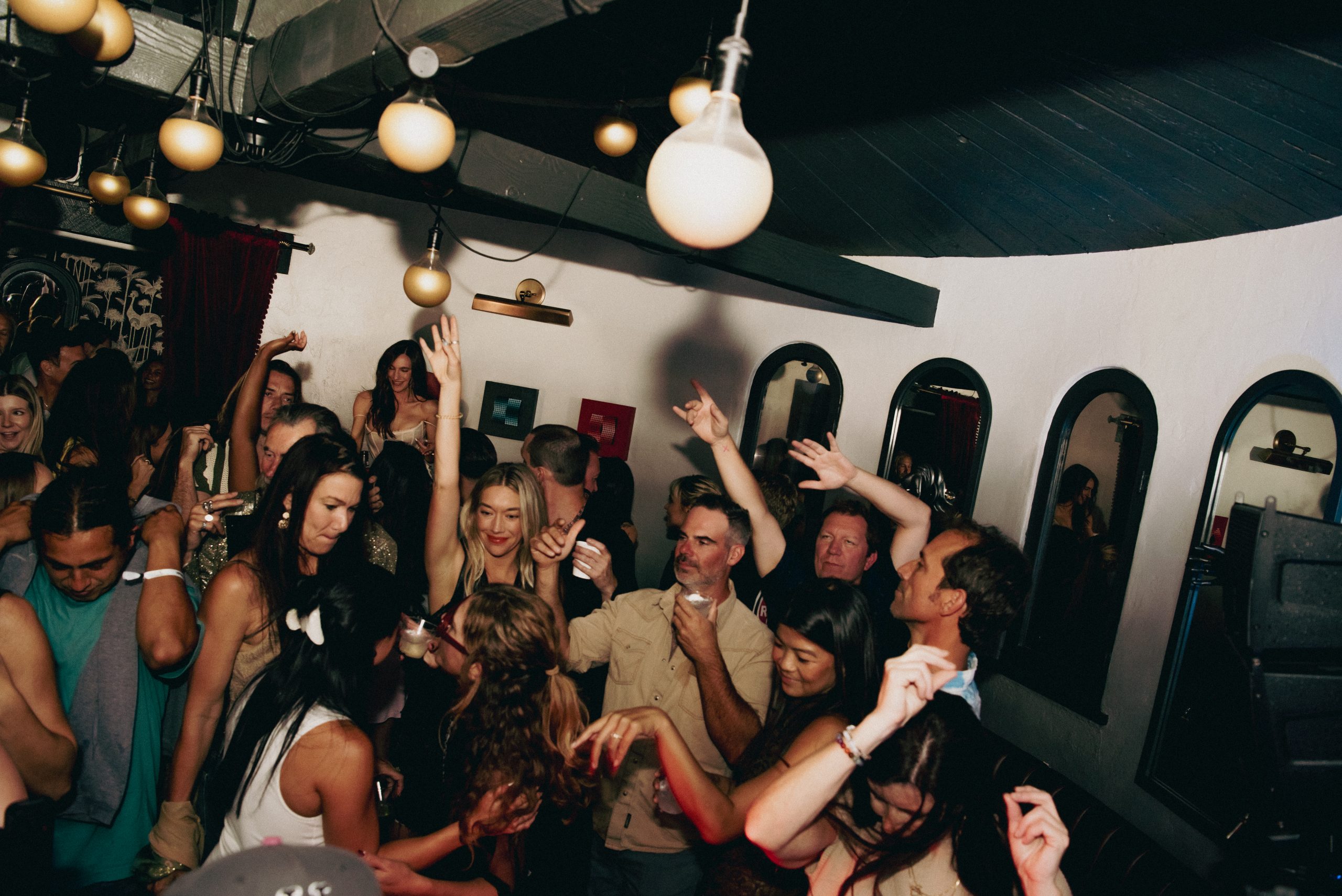
Body Language started with a simple idea: bring DJs I’m excited about together, keep the focus on the music, and let each night develop its own personality.
Body Language at Tango is where that idea keeps evolving.
The more nights we do, the clearer the identity of Body Language becomes. Not because every event feels the same, but because there is a common thread running through them: thoughtful programming, strong musical flow, and a crowd that comes to be part of the night rather than simply watch it.
The DJs
A big part of that evolution comes from the people who have played the series.
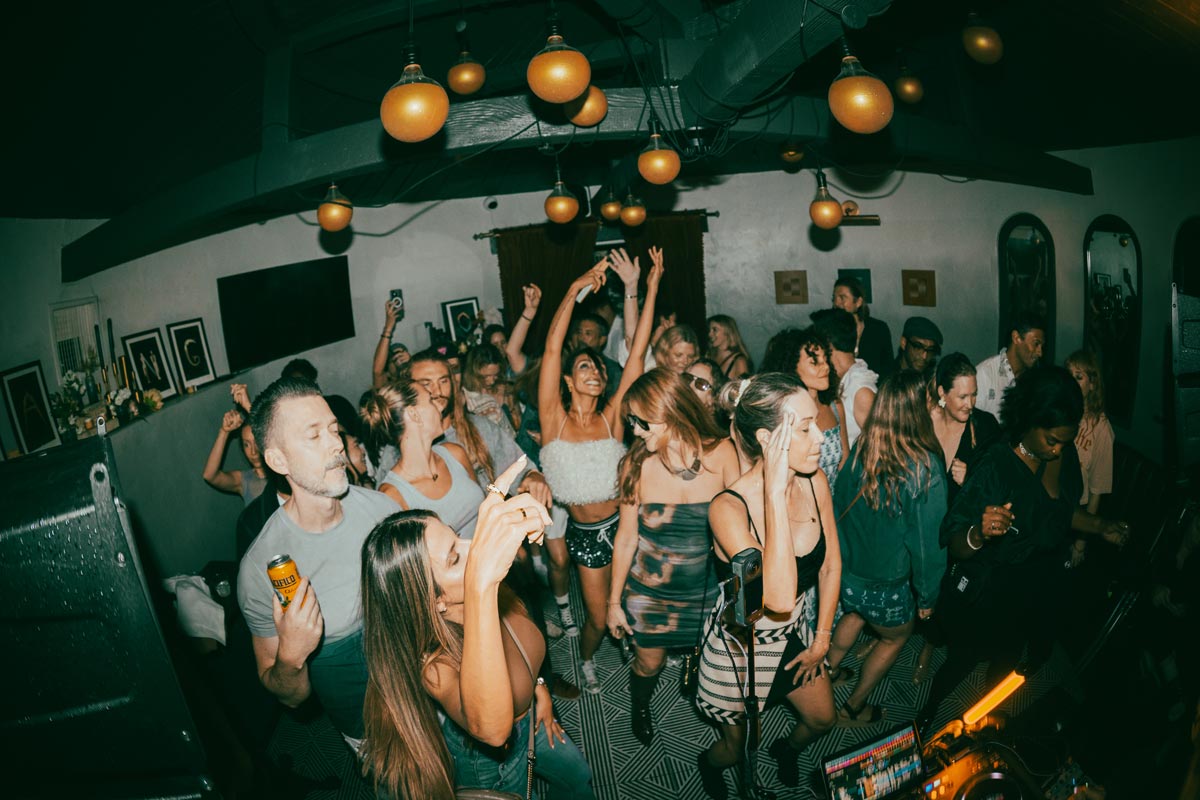
Ktorp, Chayu, Langers, Séverine, Hamabata, Derinkuyu, Caiio, Spacebot, Burgoin, and Le Chev have all brought something different to Body Language.
That variety matters.
I don’t want Body Language to be built around one sound. The idea is to create enough of a framework that every DJ can bring their own taste into it while the night still feels connected to the series as a whole.
Some nights go deeper. Some are more driving. Some build slowly. Others seem to find their energy almost immediately.

Learning the night: Body Language at Tango
Doing multiple editions at Tango has made me pay much more attention to how a night actually develops.
When people arrive. How the opening part of the night sets the tone. When the energy needs to move forward and when it needs space. How the order of the lineup changes the experience. How one DJ hands the room to the next.
Those details are increasingly shaping the way I think about programming Body Language.
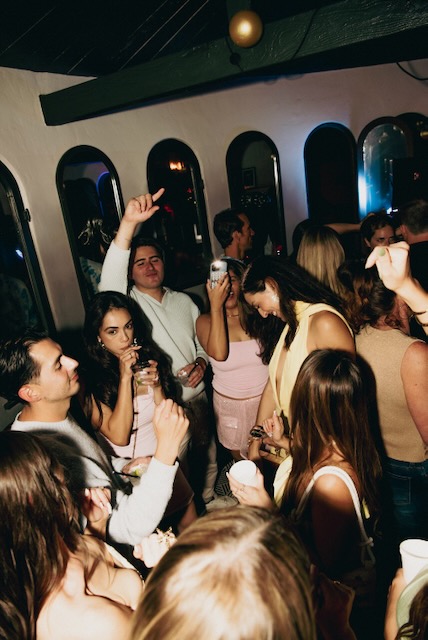
The visual side is evolving too. The identity is becoming more recognizable, the communication around the events is getting clearer, and people are beginning to understand what kind of experience they’re walking into.
I don’t want every Body Language event to be identical.
I want each one to have its own character.
What should remain consistent is the intention behind it.
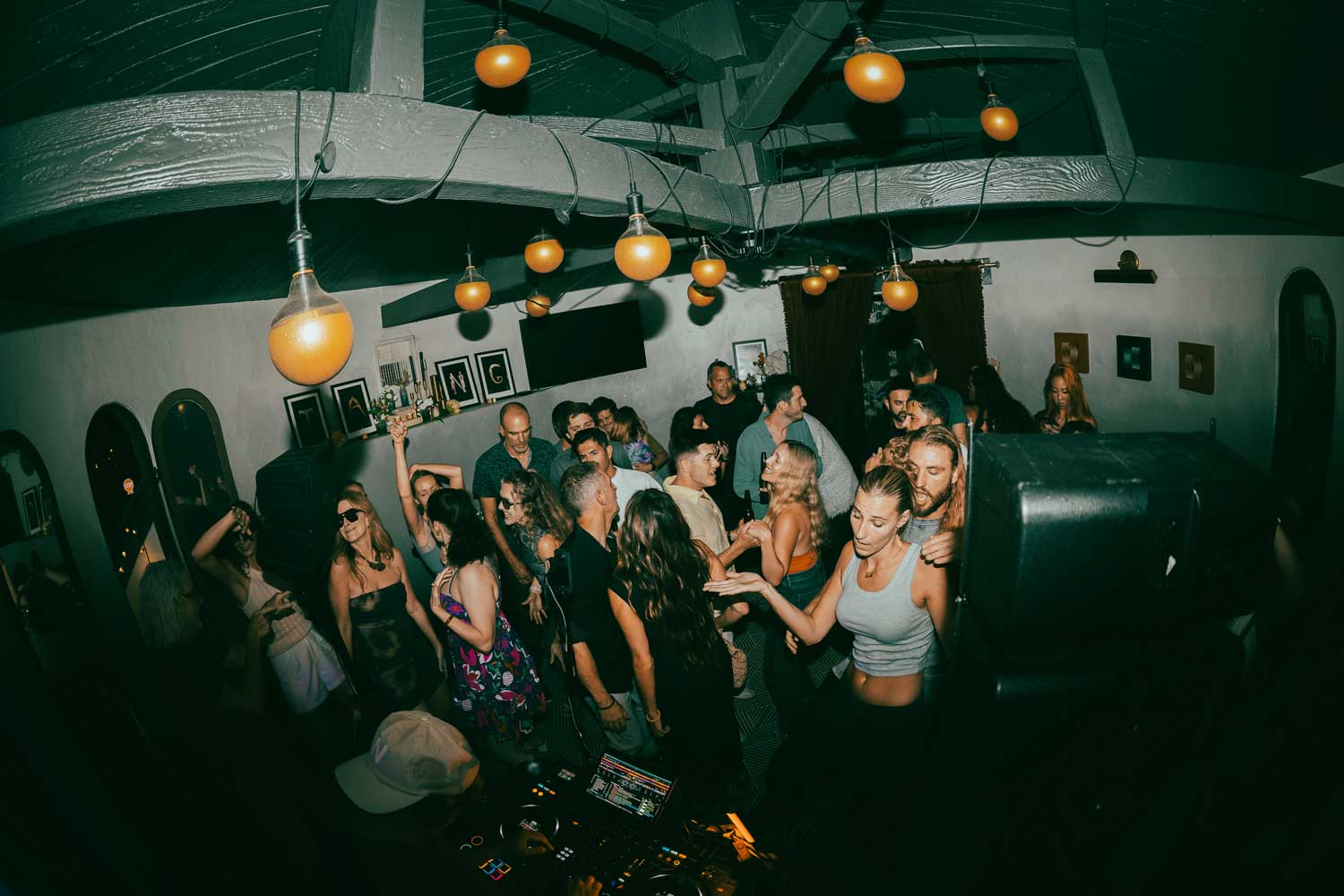
The music comes first. The DJs have room to take chances. The crowd is part of the experience rather than separate from it.
Tango gives us a place to keep experimenting with all of that.
Body Language still feels like it is in the middle of becoming what it can be.
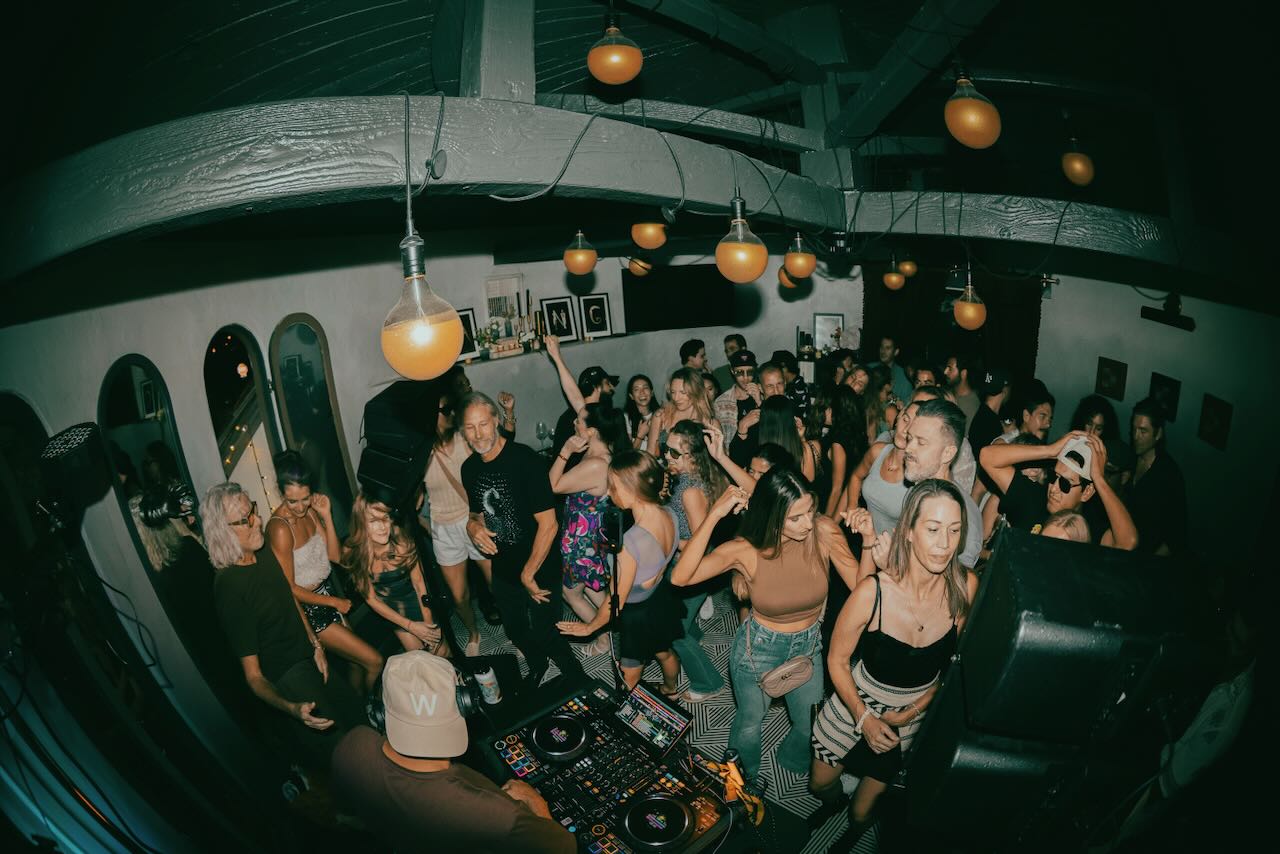
The lineups will keep changing. The sound will keep moving. The series will keep evolving.
That is exactly what makes it interesting.